
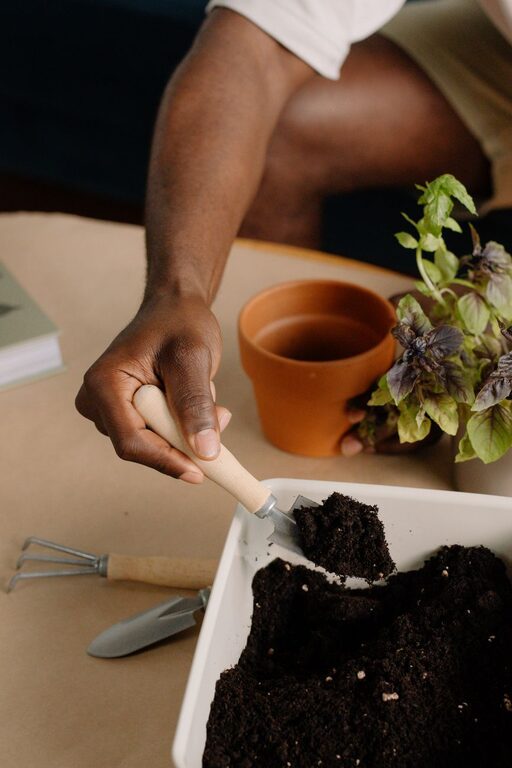
How to Start a Small Herb Garden Indoors: A Beginner’s Guide
Starting a small herb garden indoors is a wonderful way to enjoy fresh flavors year-round, even if you don’t have outdoor space. Herbs like basil, parsley, and mint can thrive on a sunny windowsill, adding beauty to your home and freshness to your cooking. This guide will walk you through everything you need to know to get your indoor herb garden growing successfully.
Why Grow Herbs Indoors?
Growing herbs indoors offers several benefits:
– Freshness: Harvest herbs whenever you need them.
– Convenience: No need to go outside or buy from the store.
– Decoration: Green plants brighten your kitchen or living room.
– Therapeutic: Gardening indoors can be relaxing and enjoyable.
Now, let’s explore how to get started.
Choosing the Right Herbs for Indoor Growing
Some herbs do better indoors than others due to light and temperature needs. Here are some beginner-friendly options:
– Basil: Loves bright light and warmth.
– Parsley: Tolerates moderate light and is easy to grow.
– Chives: Requires good light, adds mild onion flavor.
– Mint: Grows quickly but can spread; use a separate pot.
– Thyme: Prefers sunny spots and drains well.
– Oregano: Needs plenty of sunlight and well-drained soil.
– Cilantro: Likes cooler temperatures and moderate light.
Avoid herbs that need full outdoor sun or a lot of space, like rosemary, unless you have a very bright indoor spot.
Selecting Containers and Soil
Containers
Choose pots with good drainage holes to prevent waterlogging. Options include:
– Small terracotta pots
– Plastic planters with drainage trays
– Recycled containers with holes added
Size is important; 4-6 inch pots work well for most herbs.
Soil
Use a light, well-draining potting mix made for indoor plants or herbs. Avoid garden dirt, which may be too heavy or contain pests.
Finding the Best Location
Herbs generally need 6-8 hours of sunlight daily. Ideal spots include:
– South or west-facing windows
– A balcony or sunroom with filtered light
– Under grow lights if natural light is limited
If natural light is scarce, consider using LED grow lights designed for plants.
Planting Your Herbs
You can grow herbs from seeds or buy young plants.
From Seeds
– Fill pots with moistened potting mix.
– Sprinkle seeds thinly and cover lightly with soil.
– Keep soil moist but not soaked.
– Seeds usually sprout within 1-3 weeks.
From Seedlings
– Gently remove plants from their nursery pots.
– Transplant into your chosen pots, filling around roots.
– Water well after planting.
Caring for Your Indoor Herb Garden
Watering
– Keep soil consistently moist but avoid waterlogging.
– Check soil with your finger; water when the top inch feels dry.
– Herbs like basil prefer slightly moist soil, while thyme and oregano like drier conditions.
Light
– Rotate pots weekly to ensure even growth.
– Supplement with grow lights if natural light is insufficient.
Temperature and Humidity
– Most herbs grow best between 65°F and 75°F.
– Avoid placing plants near cold drafts or heating vents.
– If your home is dry, occasionally mist herbs or place a water tray nearby.
Feeding
– Fertilize every 3-4 weeks with a balanced, water-soluble fertilizer diluted to half strength.
– Over-fertilizing can reduce flavor intensity.
Harvesting Your Herbs
– Begin harvesting when plants are well established, usually after 6-8 weeks.
– Pick leaves from the top to encourage bushier growth.
– Use scissors to trim stems rather than pulling.
– Harvest in the morning for best flavor.
Troubleshooting Common Issues
– Yellow leaves: May indicate overwatering or lack of light.
– Leggy growth: Often due to insufficient light; move plants to a brighter spot.
– Pests: Indoor herbs can attract aphids or spider mites; wipe leaves with soapy water if needed.
– Wilting: Check soil moisture; either drought stress or root rot could be the cause.
Tips for Success
– Start with 3-5 herbs to avoid being overwhelmed.
– Label your pots to remember which herb is which.
– Regularly pinch back herbs to keep them compact.
– Keep your garden near your kitchen for easy access.
Conclusion
Starting a small herb garden indoors is a simple and rewarding project that can add fresh flavors and greenery to your home. With the right herbs, containers, lighting, and care, you’ll enjoy homegrown herbs all year long. Happy gardening!
—
If you follow these steps, you’ll be well on your way to nurturing a thriving indoor herb garden that delights your senses and inspires your cooking.
