
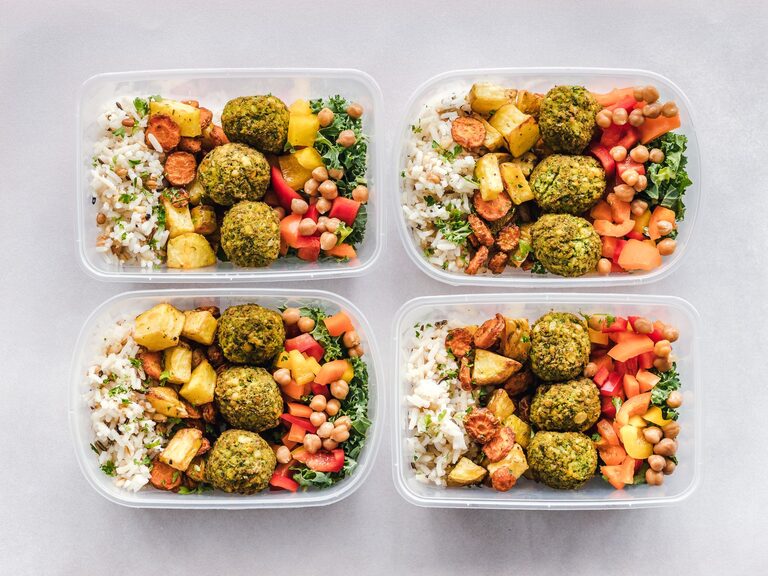
How to Plan Balanced Meals Without Stress
Planning balanced meals can sometimes feel overwhelming, especially with busy schedules and endless food choices. However, creating nutritious, satisfying meals doesn’t have to be a stressful or complicated task. With a few straightforward strategies, you can easily prepare meals that support your health and taste great. This guide will help you plan balanced meals with confidence and ease.
What Is a Balanced Meal?
A balanced meal includes a variety of food groups to provide essential nutrients your body needs. Typically, a balanced plate consists of:
– Protein: Supports muscle repair and energy. Examples include chicken, beans, tofu, fish, and eggs.
– Vegetables: Provide vitamins, minerals, and fiber. Aim for colorful options like spinach, carrots, and bell peppers.
– Whole grains: Offer energy and fiber. Think brown rice, quinoa, whole wheat bread, or oats.
– Healthy fats: Important for brain health and absorption of vitamins. Sources include avocados, nuts, seeds, and olive oil.
Including all these elements in your meals helps keep you full longer and provides steady energy throughout the day.
Why Plan Meals in Advance?
Planning your meals ahead offers several benefits:
– Saves time: Knowing what to cook reduces daily decision-making.
– Lowers stress: Less last-minute scrambling means more relaxation.
– Ensures variety: Planning helps you include different foods and nutrients.
– Can save money: Prevents impulse buys or ordering takeout.
Step-by-Step Guide to Stress-Free Meal Planning
1. Assess Your Schedule and Needs
Start by looking at your upcoming week. How many meals will you prepare at home versus eating out? Consider any events or busy days when you might want quick or portable options.
2. Choose Simple, Flexible Recipes
Pick recipes that are easy to make and adaptable. Stir-fries, salads, and sheet-pan dinners are great choices. They often require minimal ingredients and can be adjusted based on what you have.
3. Build Your Meal Framework
Use the “balanced meal” model to plan each dish. For example:
– Protein + Vegetable + Whole Grain + Healthy Fat
– Example: Grilled chicken + roasted broccoli + quinoa + olive oil drizzle
4. Make a Shopping List
Once you’ve selected your meals, write down all ingredients. Organize the list by sections of the grocery store to make shopping efficient.
5. Prep Ingredients in Advance
If possible, wash and chop vegetables, cook grains, or portion out proteins ahead of time. This prep work saves time on busy days and makes cooking less intimidating.
Tips for Keeping It Simple and Enjoyable
– Use leftovers creatively: Turn last night’s roasted veggies into a soup or wrap.
– Batch cook staples: Prepare a large pot of rice or lentils to use throughout the week.
– Mix fresh and frozen: Frozen veggies and fruits are nutritious and often more convenient.
– Keep pantry staples stocked: Beans, canned tomatoes, nuts, and spices can help whip up meals quickly.
– Focus on flavors you enjoy: Simple seasonings, herbs, and sauces make food exciting without extra effort.
Sample One-Day Balanced Meal Plan
Here’s an example to inspire your planning:
– Breakfast: Oatmeal topped with fresh berries, a spoonful of almond butter, and a sprinkle of chia seeds.
– Lunch: Quinoa salad with chickpeas, cucumbers, cherry tomatoes, feta cheese, and lemon-tahini dressing.
– Snack: Apple slices with peanut butter.
– Dinner: Baked salmon with steamed green beans, roasted sweet potatoes, and a side salad.
– Dessert (optional): Greek yogurt with a drizzle of honey and walnuts.
When to Seek Help or Inspiration
If you’re unsure where to start, consider:
– Using meal-planning apps or websites that offer customizable options.
– Consulting with a registered dietitian for personalized advice.
– Joining local cooking classes or online communities to learn new recipes and share tips.
Final Thoughts
Planning balanced meals doesn’t mean following strict rules or spending hours in the kitchen. By taking small steps and staying organized, you can enjoy nourishing meals that support your well-being and lifestyle without added stress. Remember, the goal is progress, not perfection—each balanced meal is a positive choice toward healthier living.
