
Simple and Effective Ways to Reduce Food Waste at Home
Reducing food waste at home is not only good for the environment but can also save you money and create a more organized kitchen. Every year, millions of pounds of food end up in the trash, contributing to unnecessary waste and pollution. By making a few simple changes in how you shop, store, and use food, you can significantly cut down on what gets thrown away. Here are some practical and easy-to-follow ways to reduce food waste in your everyday life.
Plan Your Meals and Shop Smart
One of the most effective ways to reduce food waste starts before you even get to the kitchen.
Make a Weekly Meal Plan
Planning your meals for the week helps you buy only what you need. This reduces the chances of buying excess groceries that might spoil before you use them.
Create a Shopping List
Based on your meal plan, write down a detailed shopping list and stick to it. Avoid impulse buys that may end up unused.
Shop More Frequently and in Smaller Amounts
If possible, shop more often for fresh produce or perishable items instead of buying large quantities at once. This helps keep your ingredients fresh and cuts down on spoiled food.
Store Food Properly
Proper storage is key to extending the life of your groceries.
Use Clear Containers
Transfer leftovers and prepped ingredients to clear, airtight containers. This makes it easier to see what you have and encourages you to use it before it goes bad.
Understand Your Refrigerator
Keep fruits, vegetables, dairy, and meats in the right spots inside your fridge. For example, leafy greens stay fresh longer in the crisper drawer, while dairy should be kept on colder shelves.
Freeze What You Can't Use Immediately
Many foods freeze well, including bread, meats, cooked meals, and some fruits and vegetables. Freezing preserves these items for later use and prevents spoilage.
Get Creative with Leftovers
Instead of tossing leftovers, turn them into new meals.
Repurpose Leftovers
Cooked vegetables can be added to soups or stir-fries. Leftover rice can become fried rice, and day-old bread can be made into croutons or breadcrumbs.
Use Leftover Ingredients
Have half a bell pepper or some wilted spinach? Incorporate them into omelets, pasta dishes, or smoothies to avoid waste.
Track Leftover Use
Try to eat leftovers within 1–3 days depending on the food type. Label containers with the date to help you remember when they were made.
Understand Expiration Dates
Expiration dates can be confusing, leading to unnecessary waste.
Know the Difference Between “Sell By” and “Use By”
“Sell by” dates are for stores to manage inventory and don’t always indicate unsafe food. “Use by” or “Best before” dates are about quality, not safety.
Trust Your Senses
Look, smell, and taste your food before discarding it. Often, foods are safe to consume past their printed date.
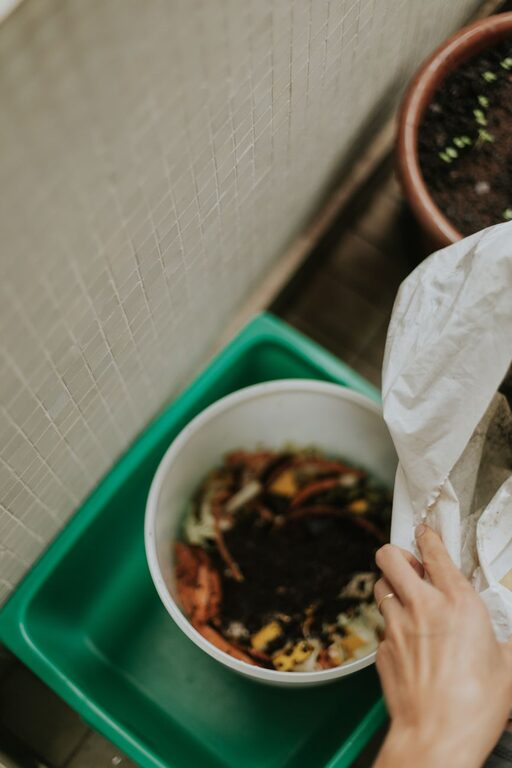
Compost What You Can’t Use
Even with the best efforts, some food scraps are inevitable.
Start a Compost Bin
Composting turns food scraps like vegetable peels, coffee grounds, and eggshells into nutrient-rich soil for your garden.
Use Local Composting Services
If you don’t have space for a compost bin, check if your community offers compost pickup or drop-off sites.
Educate Your Household
Reducing food waste is easier when everyone is involved.
Involve Family and Housemates
Share your meal plans and encourage others to help with meal prep and storage.
Teach Kids About Food Waste
Help children understand the value of food and how to avoid waste by involving them in cooking and shopping.
Additional Tips to Reduce Food Waste
– Buy Ugly Produce: Less-perfect fruits and vegetables are often thrown away before reaching stores. Buying these helps reduce food loss.
– Serve Smaller Portions: Start with smaller servings to reduce plate waste and add more if needed.
– Use a FIFO System: Arrange your fridge and pantry so older items are in front and first to be used.
– Preserve Surplus: Learn to can, pickle, or dry extra produce for longer storage.
—
By adopting these habits, you can make a positive impact on the environment and your wallet. Reducing food waste at home is a simple and rewarding practice that benefits everyone. Start small, stay consistent, and watch how your kitchen transforms into a more sustainable space.
